
Winter travel to Calaveras County does not have to depend entirely on sunny hiking weather. Guided cave visits provide a different way to explore Gold Country, but each cavern has its own access requirements.
This guide focuses on the choices readers can verify, the mistakes that create unnecessary risk, and the records or instructions worth checking before they act. Details differ by person, location and equipment or legal setting. Use current primary sources for anything that could change after publication.
Understanding Calaveras County caverns winter before making a decision
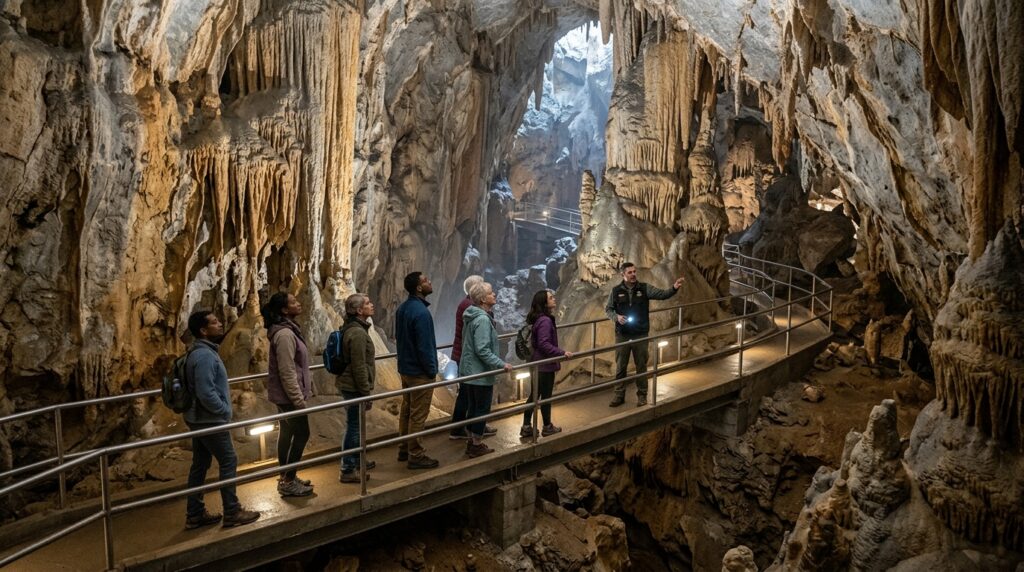
Calaveras County caverns in winter can provide a memorable alternative when rain disrupts outdoor plans. The region is known for limestone caves and Gold Rush history, yet a visitor should not treat every underground tour as identical. Stair counts, passage widths, tour lengths and physical demands vary considerably. Check the official attraction operator’s information before booking.
A cavern visit rewards slower observation. Instead of rushing to the most dramatic formation, listen to the guide’s explanation of how mineral-rich water shapes passages over long periods. Different cave sections may have distinct colors and textures. Respect the operator’s terminology and interpretive signs rather than inventing geological ages or claims about features that have not been verified.
Identify the facts and limits first
Moaning Caverns and Mercer Caverns are among the recognizable cave attractions associated with the area. Their names may appear together in tourism guides, but they are distinct private operations. Tour offerings and availability can change with maintenance or seasonal schedules. An article about cave trips should not invent current prices or promise that every tour is available during holiday travel.
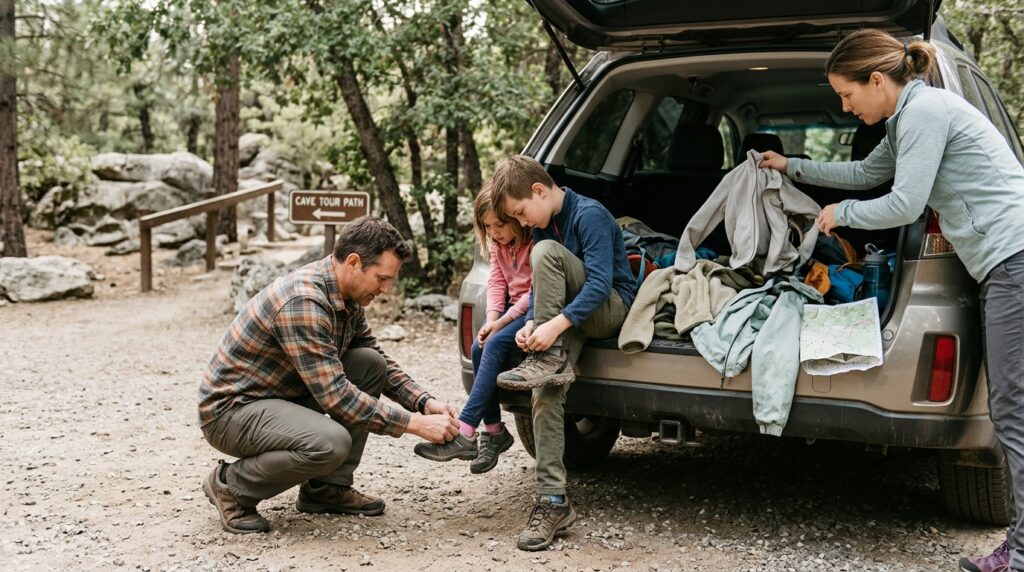
A cave can remain cool and damp even when the surface temperature is mild. Wear footwear with traction and bring a comfortable layer that does not interfere with movement. A waterproof jacket from a rainy drive may be useful outdoors, but bulky gear can become awkward in narrow passages. Avoid carrying large bags on confined tours unless operators allow them.
Ask about stairs, age rules and tour duration
Stairs are a major consideration. Some attractions involve lengthy descents and climbs, while special adventure tours may require crawling or more demanding movement. Ask about physical requirements and whether visitors can turn around mid-tour. A family should choose a suitable experience rather than assuming every participant can complete the same route.
Temperature and humidity can affect comfort even when a cave is sheltered from rain. Children may need an extra layer, while some adults find steep enclosed stairways tiring. Ask about the return climb before committing. A tour’s advertised duration may not include parking, check-in, photographs or the time needed for the slowest member of the group.
Verify photo rules and accessibility limitations
Tours can include delicate formations shaped over very long periods. Respect barriers and instructions about touching surfaces. Oils on hands, accidental impacts and crowding can damage a fragile environment. Photography rules also vary; flash, tripods and video recording may be restricted, so ask rather than improvise.
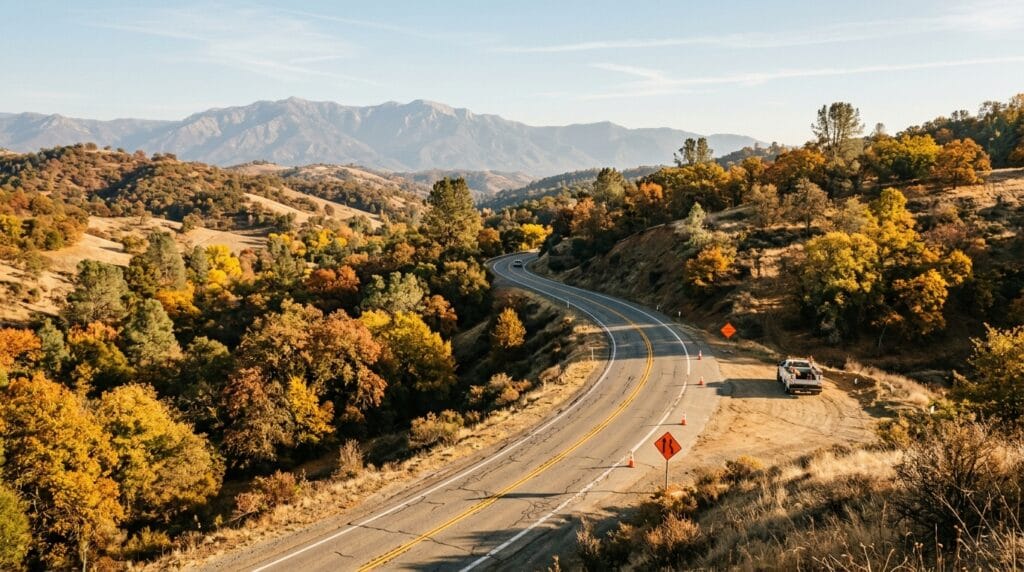
Rainy weather still affects travel to the cave entrance. Rural roads may have pooled water, mud or reduced visibility. Allow time for slower driving and check local road notices. An indoor destination is not a reason to cross a flooded road or ignore an active storm warning. The journey itself remains part of the safety plan.
Recognize where assumptions break down
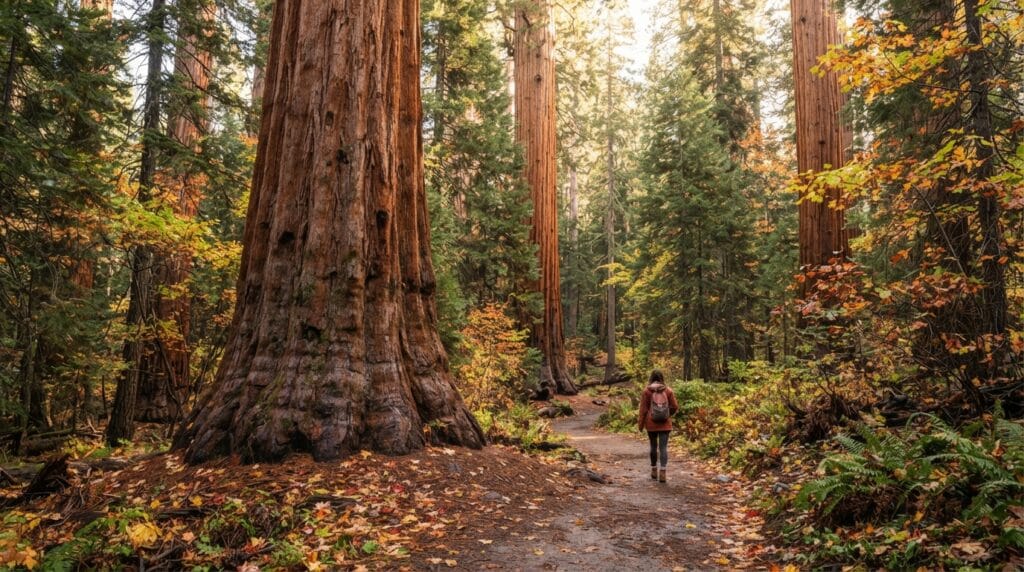
Calaveras Big Trees State Park provides a contrasting outdoor experience when conditions permit. However, winter trail access and weather may differ from cave tours. A same-day combination should remain flexible; confirm park rules and current conditions rather than promising that snow-covered trails will be easy for young children.
Families often benefit from booking a shorter guided tour before adding another activity. Children may be excited by darkness and echoes but uncomfortable on steep stairs or in enclosed spaces. Explain the tour format beforehand and respect an individual’s decision not to enter. Age limits or equipment requirements should be checked directly with the operator.
If the cave tour is fully booked, do not assume staff can add visitors or skip capacity limits. Have a nearby town stop or museum option in reserve and verify its hours. Avoid driving among multiple cavern entrances hoping to find an unexpected opening. Flexible planning is particularly useful during school holidays, when small operations can sell out.
Practical steps for Calaveras County caverns winter
Accessibility varies greatly in natural caves. Many passageways cannot be made step-free without changing the site, and not every tour is suitable for mobility aids. Ask specific questions about stairs, railings, rest areas and sensory conditions instead of trusting broad phrases such as ‘family friendly.’ Accommodations should be verified with each destination.
To compare cave attractions, examine three practical measures: what is included in the admission, how physically demanding the route is and whether the day has a reliable booking slot. The largest or longest tour is not necessarily the best. A smaller introductory visit can be more enjoyable for travelers unfamiliar with underground spaces.
Evaluate evidence and next steps
Food and lodging are easier to plan when the cave is the anchor activity. Choose nearby towns for a meal afterward, then leave room for a short historic walk if the weather improves. Do not squeeze several fixed reservations together; rural roads and tour start times can add uncertainty, especially during busy weekends.
Older travel articles may mix locations from different counties or list attractions that have changed ownership. Check the operator and physical address carefully before booking. A search result describing “Calaveras caves” may not show whether a tour is in the county, near its border or much farther away. Map the complete driving route before reserving fixed times.
Review local road and storm conditions
For photography, focus on permitted viewpoints and use the lighting available. Do not step outside marked paths to get a wider composition. The important memory is the experience of seeing unusual geology safely, not creating an image that misrepresents the site or damages a formation.
Plan one flexible nearby activity rather than too many
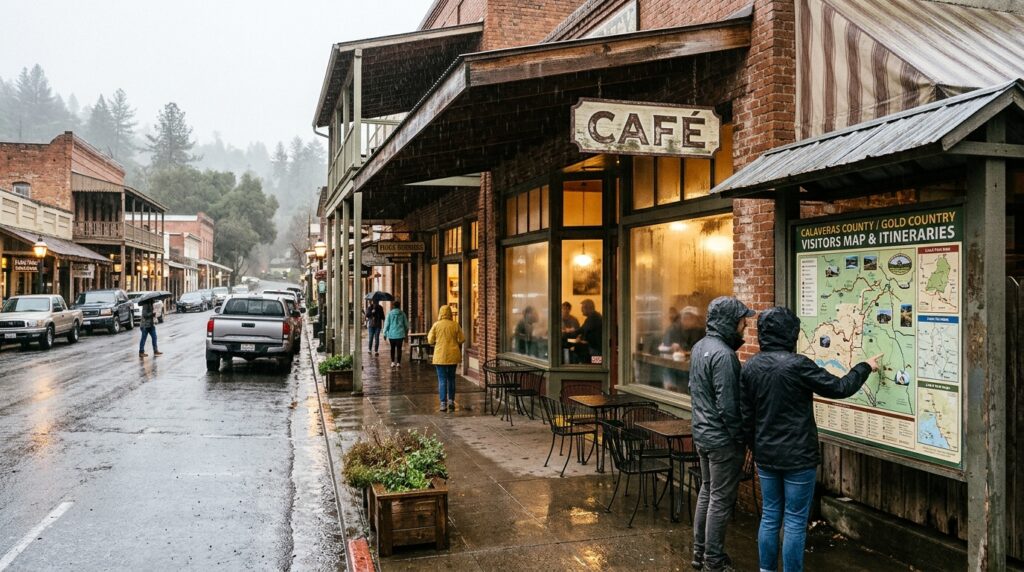
A good winter cave visit in Calaveras County combines verified tour information, cautious road travel and appropriate expectations about physical access. Confirm details with the cave operator, choose a route your group can manage and keep a weather-based backup plan. That flexibility makes the outing enjoyable even if the forecast changes.
When publishing a cave image, use an authentic licensed photograph if the claim concerns a specific existing feature. A generated image can support a general explanation, but it should not be labeled as a documentary record of a real formation. The distinction helps readers set realistic expectations and respects the work of local operators who protect and maintain the caves.
Practical checklist:
- Check each cavern official booking and hours
- Ask about stairs, age rules and tour duration
- Wear traction-friendly closed-toe footwear
- Verify photo rules and accessibility limitations
- Review local road and storm conditions
- Plan one flexible nearby activity rather than too many
Common questions
Are all Calaveras cave tours alike? No. Physical demands, duration, operators and admission options differ.
Do rainstorms affect underground tours? They may affect access or schedules; confirm directly before driving.
Are caves wheelchair accessible? Many natural cave routes have significant stair or passage limitations; ask each operator.
Can visitors touch formations? Generally follow the guide and posted restrictions to protect delicate geology.
For related context, see the calaveras-county-california.com guide. For authoritative reference, review this primary resource and additional official or technical guidance. Verify updates, dates and jurisdiction before applying general guidance to a specific situation.
Use this guide as a starting framework rather than a promise of a particular outcome. For Calaveras County caverns winter, the most useful next move is to verify the applicable details, preserve accurate information and make a decision based on the real conditions in front of you. When specialist advice, official instructions or a qualified inspection is appropriate, seek that input before a decision becomes difficult to reverse.