
Calaveras County road safety is a smart topic for travelers in 2026. Many visitors come here for scenic drives, historic towns, caves, wineries, lakes, and outdoor escapes. Those same trips often include winding roads, rural intersections, changing weather, wildlife, cyclists, and small-town traffic. A beautiful drive can still require careful planning.
Calaveras County is not the kind of place where every road feels the same. One route may pass through a Gold Rush town. Another may climb toward forested areas. Another may curve through foothills, ranch land, or wine country. That variety makes the county memorable. It also means drivers should stay alert.
This guide connects naturally with other articles on this site. Readers can pair it with the Spring Road Trip Through Calaveras County, the Calaveras Big Trees Spring 2026 guide, and the Wildflowers in Calaveras County bloom guide. All three posts support slower, safer, and more thoughtful travel.
The goal is not to scare visitors away from driving. The goal is to help them enjoy the county with better awareness. Safer driving protects travelers, residents, cyclists, pedestrians, road workers, and small communities. It also helps visitors spend more time enjoying the trip and less time dealing with avoidable problems.
Why Calaveras County Road Safety Matters in 2026
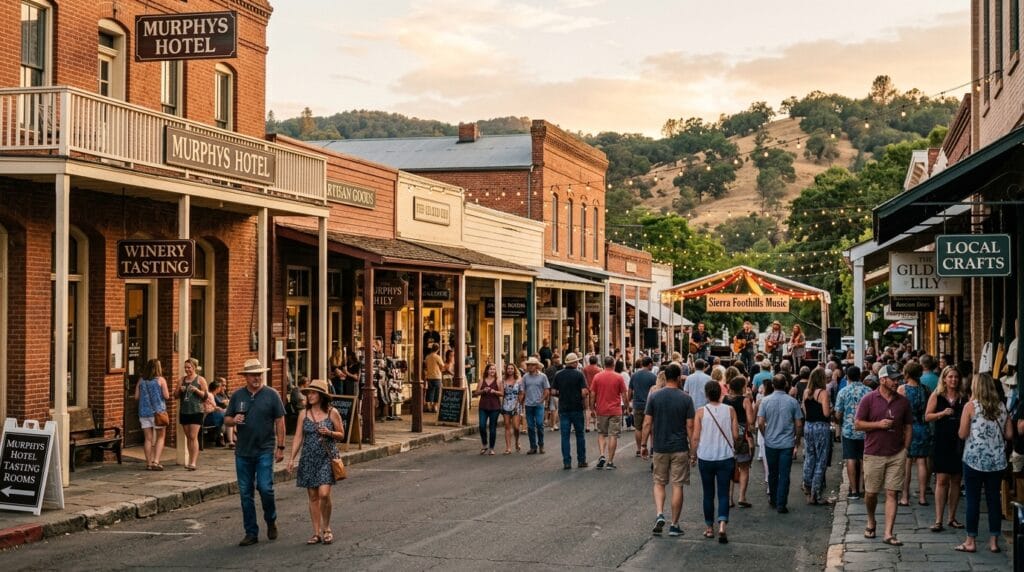
Calaveras County road safety matters because county travel depends heavily on roads. Visitors often move between Angels Camp, Murphys, San Andreas, Mokelumne Hill, Arnold, Valley Springs, and outdoor destinations. A single weekend can include historic downtowns, tasting rooms, trailheads, lakes, caverns, and scenic pullouts.
That kind of travel is part of the county’s charm. It also creates mixed road use. Local drivers share roads with first-time visitors, RVs, motorcycles, cyclists, delivery vehicles, and families looking for photo stops. Some travelers know every curve. Others rely completely on GPS.
In 2026, road safety is also a current local planning issue. Calaveras County is developing a Comprehensive Safety Action Plan to identify safety concerns and propose future improvements. That makes this a timely moment to talk about safer driving habits, better visitor planning, and respect for local roads.
The county safety plan gives travelers a timely reason to pay attention
The county’s safety planning effort focuses on reducing roadway fatalities, injuries, and collisions. It also includes public engagement, crash data review, project priorities, and funding strategies. For visitors, this is a reminder that road safety is not only a government topic. It affects every person who drives, walks, bikes, or rides through the county.
Travel content should support that goal. A road-trip article can do more than list pretty stops. It can teach people how to move through the county in a safer way. That makes the travel experience better for everyone.
Narrow roads, curves, wildlife, and changing weather need extra care
Foothill roads can change quickly. A route may feel easy at first, then become narrow, shaded, steep, or curvy. Drivers may also face loose gravel, wet pavement, fog, bright sun, or wildlife near the shoulder. These details matter more on rural roads than on wide city streets.
Visitors should slow down before curves, not inside them. They should avoid tailgating and give larger vehicles enough space. They should also watch for deer, especially near dawn and dusk. A careful driver can still enjoy the scenery without rushing.
Road safety affects drivers, cyclists, walkers, and local communities
Scenic roads are not only for cars. Cyclists may use narrow shoulders. Pedestrians may cross near downtown areas, schools, parks, or events. Local residents may turn into driveways that visitors do not expect. Road workers may also appear near construction or maintenance zones.
This is why the phrase Calaveras County road safety should include all road users. A safe trip is not only about reaching the next stop. It is also about respecting the people who live, work, and travel along the route.
Common scenic driving risks in foothill country
Scenic drives in Calaveras County can feel relaxed, but they still require attention. One common risk is distraction. Drivers may look at views, phones, maps, passengers, or roadside attractions. A short glance away from the road can become dangerous on a curve.
Another risk is speed. Some visitors underestimate rural roads because traffic feels lighter. But lighter traffic does not mean lower risk. Curves, hills, and blind spots can reduce reaction time. Speed also makes it harder to stop for wildlife, cyclists, or sudden turns.
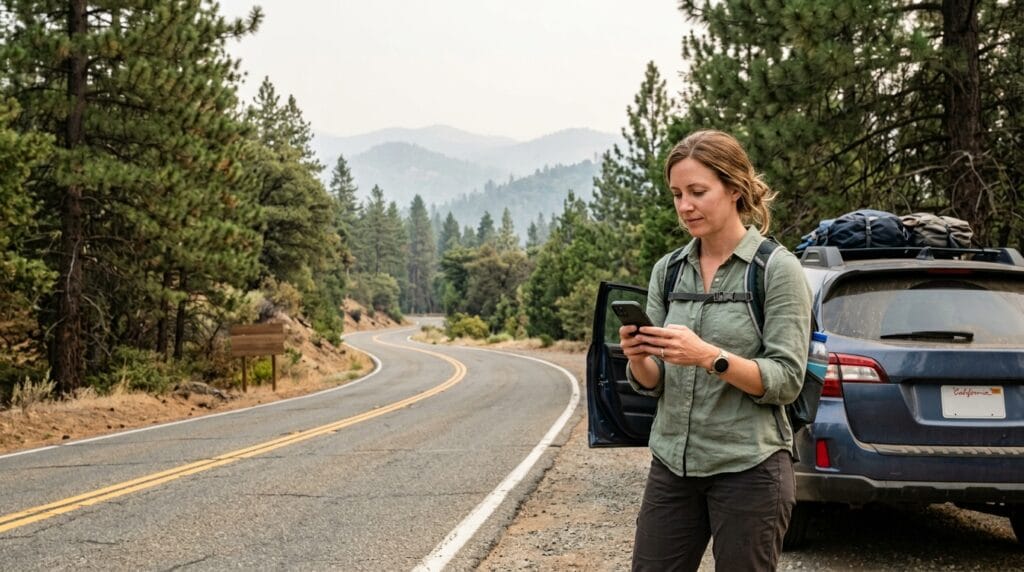
Navigation can create problems too. GPS may suggest routes that look short but feel difficult for drivers who are not used to foothill roads. Visitors should review the route before starting. They should also avoid making sudden turns when they miss a direction.
Weather is another factor. Spring can bring wet roads and changing conditions. Summer can bring heat, glare, and driver fatigue. Fall can bring shorter daylight. Winter can bring mountain travel concerns, especially at higher elevations near forested destinations.
How to Plan Safer Scenic Drives in Calaveras County
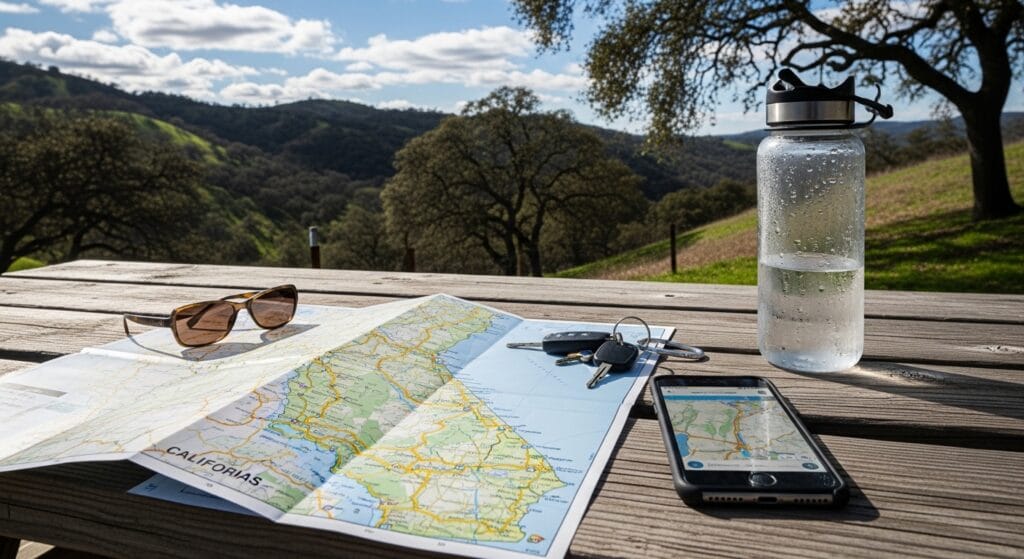
A safer trip starts before the engine turns on. Choose a realistic route. Check weather. Look at road updates. Pick a main destination and one backup stop. Make sure the driver is rested. Bring water, snacks, a charged phone, and enough fuel.
Visitors should also think about timing. Morning drives can feel calmer, especially in warmer months. Late afternoon light can be beautiful, but it can also create glare. Night driving on rural roads can be harder for first-time visitors.
If the trip includes wineries, plan transportation carefully. Do not turn a tasting day into a risky drive. Use a designated driver, split tastings over time, or build the day around food and slower stops. Calaveras County is better when visitors do not rush.
A practical route-planning checklist for visitors
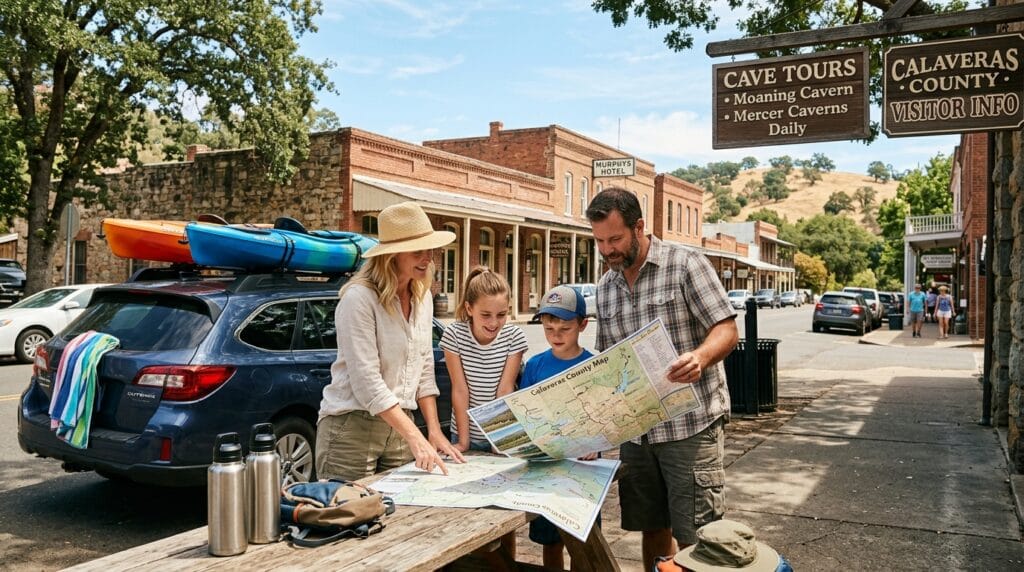
Start with the purpose of the trip. Is the goal a family outing, a scenic drive, a hiking day, a wine weekend, or a historic town visit? The route should match that goal. Do not try to force every popular stop into one day.
For example, visitors planning a nature-focused trip may pair Calaveras Big Trees with a simple meal stop. Travelers looking for small-town charm may focus on Angels Camp and Murphys. Spring visitors may add wildflowers, but they should leave extra time for photo stops and slower roads.
Start with one main route and one backup plan
One main route keeps the day manageable. A backup plan keeps the trip flexible. If weather changes, parking fills, or a road feels too stressful, visitors can adjust without feeling like the whole day failed.
This approach works especially well for families and first-time travelers. It reduces pressure and gives everyone more time to enjoy each stop. A calm trip is usually safer than a crowded checklist.
Slow travel creates a better Calaveras County experience
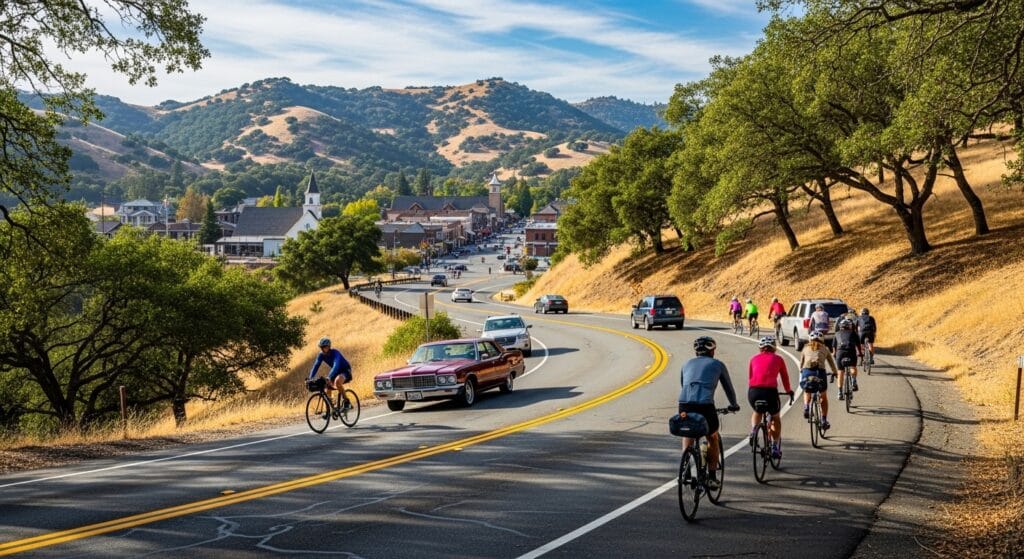
Slow travel fits Calaveras County well. Historic towns, wine country, caverns, lakes, and forest roads deserve time. Drivers who slow down also notice more. They see the hills, old buildings, changing trees, and small local details that make the county worth visiting.
Safer driving also helps local communities. It reduces noise, stress, and risk in places where visitors and residents share the same streets. That matters in small towns, where a busy weekend can quickly change the feel of the road.
For official updates and public involvement, readers can visit the Calaveras County Comprehensive Safety Action Plan page. It explains the county’s road safety planning effort and gives residents and visitors a place to learn more.
The main lesson is simple. Calaveras County road safety should be part of every scenic trip. It does not take away from the adventure. It makes the adventure better. When visitors plan ahead, slow down, and respect local roads, they help protect the county’s beauty and character.
Scenic drives in Calaveras County are still one of the best ways to explore the area. The key is to drive like the road matters. Watch for curves. Share space with cyclists and pedestrians. Avoid distractions. Check conditions. Give yourself time. A safer drive gives you more freedom to enjoy the towns, trails, lakes, trees, and foothill views that brought you here in the first place.