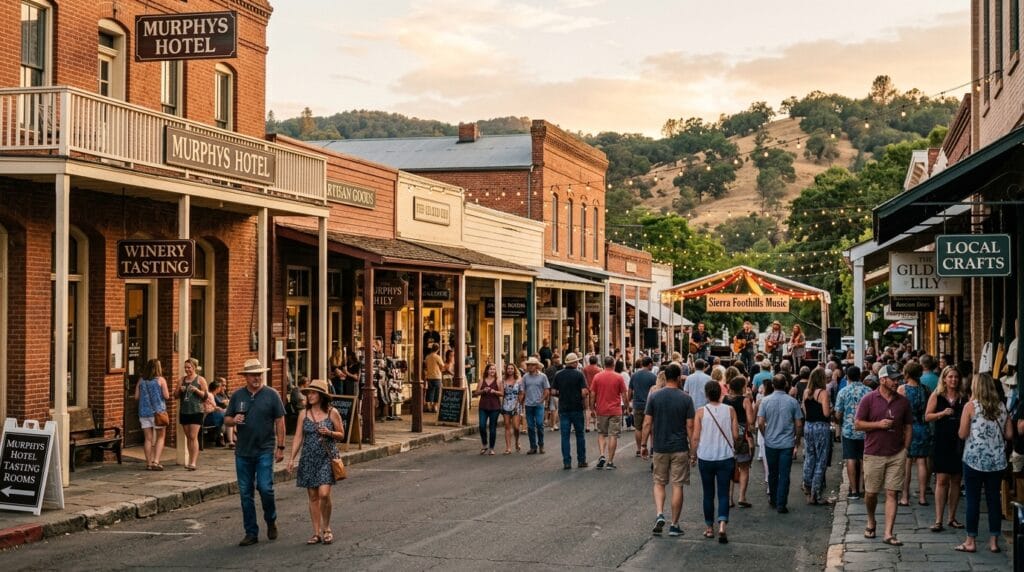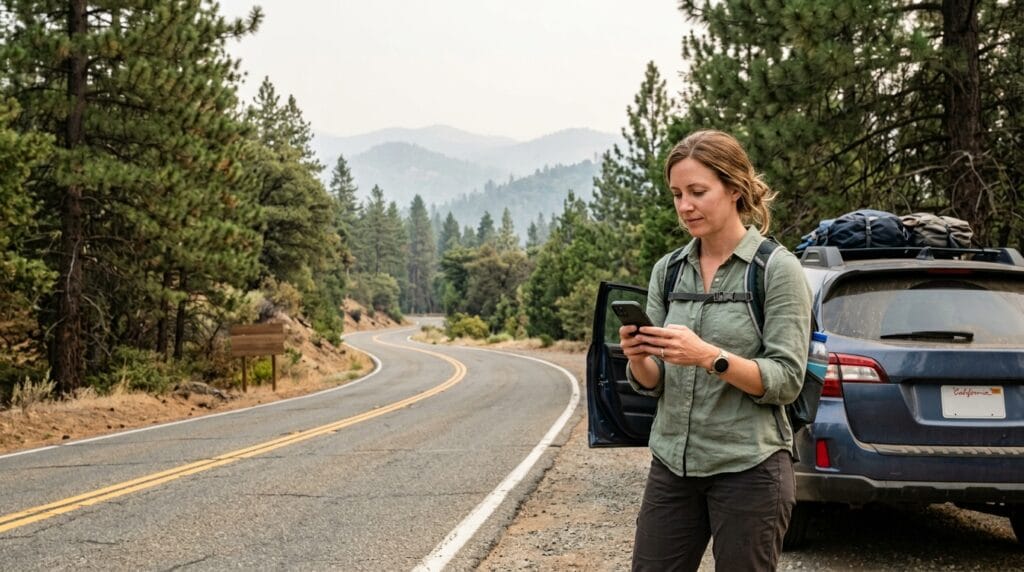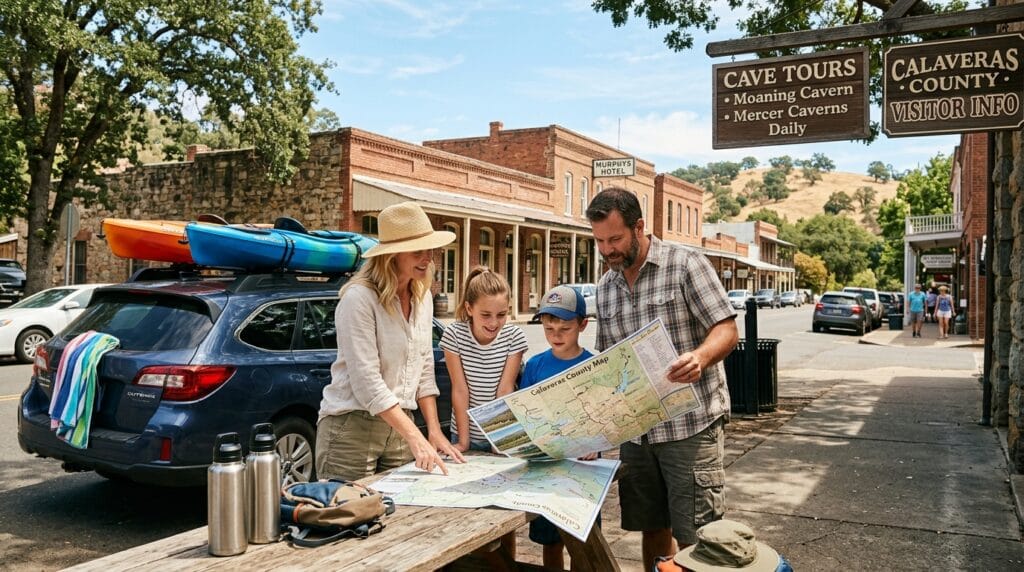

Calaveras County wildfire travel planning matters in 2026 because visitors come here for the exact places that can be affected by summer fire conditions: forest roads, mountain communities, lakes, campgrounds, historic towns, caves, wineries, and foothill drives. A great trip to Calaveras County should still feel relaxed and memorable, but smart travelers should now build wildfire smoke, alerts, evacuation zones, and road conditions into the plan before they arrive.
This does not mean visitors should avoid Calaveras County. It means they should travel with more awareness. A day that starts with clear skies near Murphys, Angels Camp, Arnold, or New Melones Lake can change if smoke moves into the region, a road closes, power is interrupted, or local emergency officials issue guidance. The visitors who handle these changes best are the ones who already know where to check updates, how to adjust plans, and when to leave early instead of waiting too long.
Calaveras County is a Gold Country destination with giant sequoias, lake recreation, caves, wine country, small towns, and scenic backroads. Those strengths also make planning important. Many attractions sit near forested or rural areas, and cell service may not be reliable everywhere. Whether you are planning a family weekend, a wine country escape, a lake trip, a camping visit, or a summer road trip, this guide can help you make safer choices without taking the fun out of the experience.
Why Wildfire and Smoke Planning Matters for Calaveras County Trips
Wildfire planning is a current local issue because Calaveras County is updating its 2026 Multi-Jurisdictional Hazard Mitigation Plan. That kind of planning is not just for government offices. It also reminds residents, businesses, and visitors that hazards like wildfire, smoke, flooding, winter storms, road closures, and evacuation needs can affect real travel decisions.
For visitors, the main takeaway is simple: do not rely on one source of information. Check local alerts, county guidance, weather, air quality, road conditions, and the status of your specific destination. A winery visit in Murphys, a walk among giant sequoias, a cave tour, or a boating day at New Melones Lake may all require different decisions depending on smoke, heat, wind, and access.
Calaveras County travel is best when plans are flexible. Instead of building a tight schedule with no backup, choose one main activity and one safer alternate. If smoke affects hiking, consider a shorter town visit or indoor attraction. If lake winds or air quality become uncomfortable, shift to a meal, museum stop, cave tour, or scenic drive where conditions are better. If officials issue warnings, follow them early.
Smoke can change the trip even when there is no nearby fire
One mistake travelers make is assuming wildfire smoke only matters when a fire is close. Smoke can move across large areas, and air quality can vary by time of day, wind direction, elevation, and terrain. A visitor may see blue sky in one town and hazy conditions along a forested road or lake area.
Before leaving your hotel, cabin, campground, or vacation rental, check current air quality. If anyone in your group has asthma, heart disease, respiratory sensitivity, young children, older adults, or pregnancy concerns, smoke planning becomes even more important. On smoky days, reduce heavy outdoor activity, keep windows closed when possible, use recirculated air in the vehicle, and choose lower-exertion plans.
This is especially important for visitors planning active days. Hiking at Calaveras Big Trees, boating at New Melones, walking around fairgrounds, cycling rural roads, or exploring outdoor events can feel very different when smoke settles in. Build your itinerary around conditions, not just the calendar.
Check air quality before hiking, boating, and scenic driving
Air quality should be checked before high-effort outdoor activities. If the air is unhealthy, a long hike or strenuous lake day may not be the best choice. Visitors can still enjoy the county by switching to lighter activities, shorter stops, indoor breaks, or areas with better conditions.
For forest-focused trips, your site’s Calaveras Big Trees in Spring 2026 guide is a useful internal resource because it highlights easy hikes, seasonal planning, and what to know before visiting. For water-focused travelers, the New Melones Lake 2026 summer guide can help readers think through boating, fishing, camping, and warm-weather planning.
Have a backup plan for caves, towns, wineries, and indoor stops
Calaveras County has a major advantage during smoky or very hot days: not every good activity is fully exposed outdoors. Cave tours, tasting rooms, historic town walks with breaks, local restaurants, shops, and museums can give visitors alternatives when outdoor conditions are not ideal.
The site’s Calaveras County cave tours 2026 guide is a strong internal link for this reason. Cave tours are especially useful for summer travel content because they offer a cooler adventure angle when heat or smoke makes long outdoor activity less appealing. Visitors should still check tour availability, road conditions, and official updates before going.
Emergency alerts and evacuation zones are not only for residents
Visitors often think emergency alert systems are only for locals. That is a bad assumption in rural and mountain destinations. If you are staying overnight in Calaveras County, attending an event, camping, renting a cabin, or spending time in forested areas, emergency alerts can matter to you too.
Calaveras County uses Calaveras Alert to contact the community during emergencies such as wildfire evacuations, floods, urgent law enforcement operations, urgent public health issues, and other important events. The county also uses pre-established evacuation zones so affected areas can be identified more clearly during an emergency.
Before your trip, know the area where you will sleep, park, hike, or spend the day. If you are staying at a vacation rental, ask the host for the evacuation zone, nearest main roads, and any local emergency instructions. If you are camping, know the campground name, road access, and alternate exit routes. If you are attending a major event, leave room in your schedule for traffic and changing instructions.
Write down your zone, lodging address, and two exit routes
Do not keep every important detail only on your phone. Phones can lose battery, service, or data access. Write down your lodging address, nearest town, evacuation zone if available, and at least two possible routes out of the area. Keep a paper map or saved offline map in the car.
This matters most in places where roads are limited. Rural routes can close because of fire, smoke, collisions, fallen trees, weather, or emergency response. Your site’s Calaveras County road safety 2026 guide pairs well with this article because safe travel is not only about driving carefully. It is also about knowing when to adjust routes, slow down, and avoid unnecessary risk.
How to Prepare for a Safer Calaveras County Summer Trip
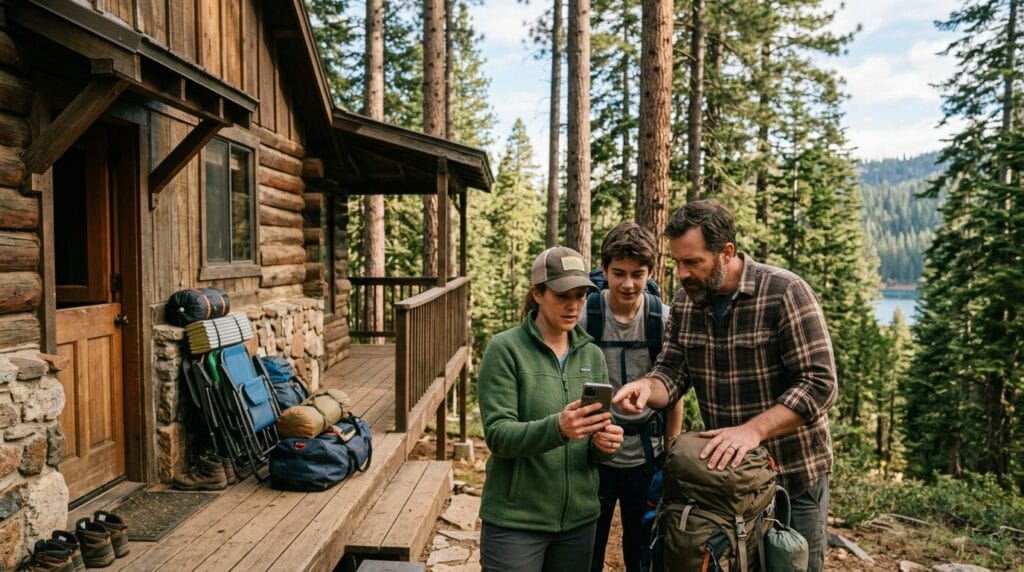
A safer Calaveras County trip starts before you pack the car. Check the forecast, air quality, local alerts, road conditions, and the status of your main destination. Tell someone your plans if you are heading to remote areas. Keep your gas tank reasonably full. Bring extra water. Charge devices. Download maps. Carry basic supplies even if you only expect a day trip.
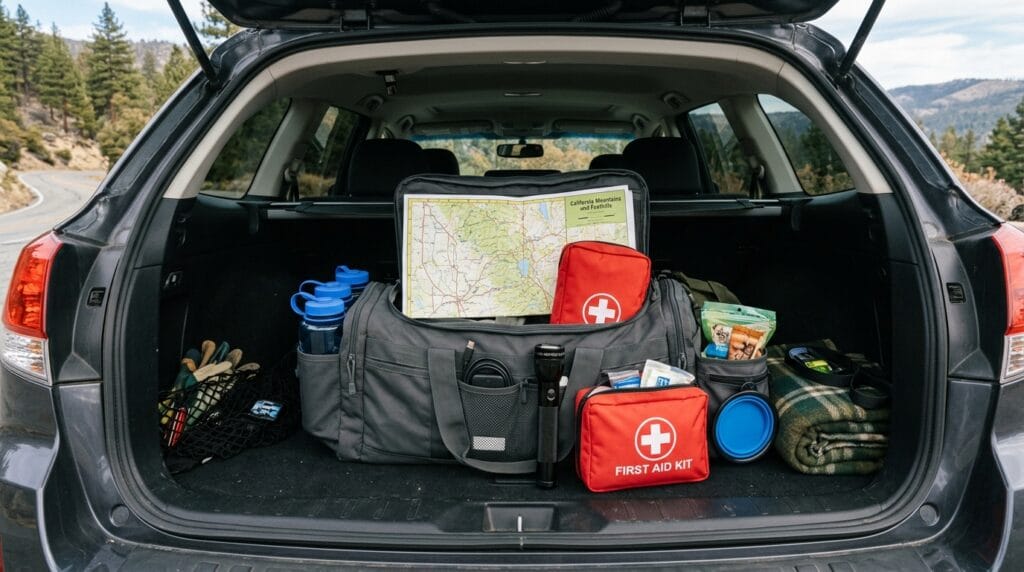
CAL FIRE’s Ready for Wildfire guidance recommends a go bag with essentials such as a three-day supply of food and water, a map with at least two evacuation routes, prescriptions, extra clothes, a first aid kit, flashlight, battery-powered radio, copies of important documents, and pet food and water. For travelers, this does not need to feel extreme. It is simply smart preparation for mountain and foothill travel.
Visitors should also think about timing. If local officials warn against unnecessary travel, listen. If smoke looks bad, delay a hike. If a fire starts nearby, leave early rather than waiting for traffic to build. If you are unfamiliar with the area, daylight travel is usually easier than trying to navigate rural roads at night during stressful conditions.
Pack a practical go bag for road trips, cabins, and campgrounds
A visitor go bag does not need to be complicated. Pack water, snacks, flashlight, batteries, phone charger, paper map, basic first aid, medications, spare glasses or contacts, pet supplies, copies of key documents, cash, and a change of clothes. Families should add child-specific items. Pet owners should add leashes, carriers, food, bowls, and proof of vaccinations if needed.
Keep the bag where you can grab it quickly. If you are staying in a cabin, do not unpack critical items all over the house. If you are camping, keep essentials organized and protected. If you are attending an event, keep enough supplies in the vehicle in case traffic, heat, or road changes delay your return.
Event travelers should also plan around crowding and access. The Calaveras County Fair 2026 weekend guide is a useful internal link because large events require extra planning for parking, heat, hydration, family needs, and traffic.
Know when to cancel, delay, or change your route
The smartest travelers are not the ones who force the original plan no matter what. They are the ones who know when to adjust. Cancel or delay outdoor activities if smoke is unhealthy, roads are restricted, emergency crews are active, or local officials advise against travel. Change your route if conditions make a scenic road unsafe. Leave early if alerts suggest evacuation risk may increase.
Calaveras County is worth visiting, but no attraction, hike, lake day, tasting room, or event is worth ignoring official safety guidance. A flexible plan protects your group and reduces pressure on local emergency services.
In 2026, wildfire and smoke planning should be a normal part of visiting Calaveras County. Check alerts, know your zone, pack a simple go bag, monitor air quality, plan alternate activities, and drive with patience. With the right preparation, visitors can still enjoy the best of Calaveras County: giant trees, Gold Country towns, caves, wineries, lakes, scenic roads, and community events.
For official wildfire preparedness tips, review the CAL FIRE Ready for Wildfire go bag guide before your trip.