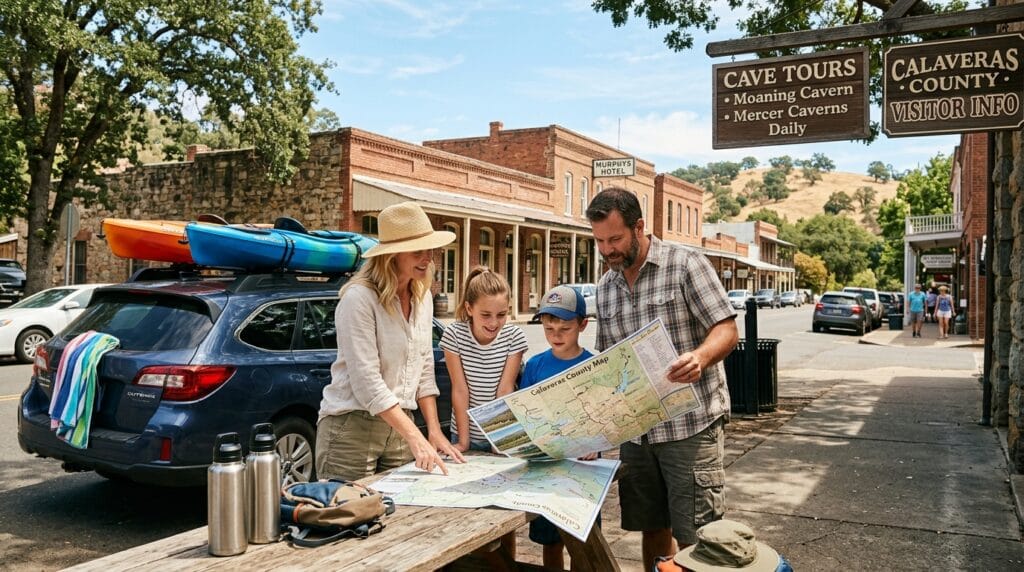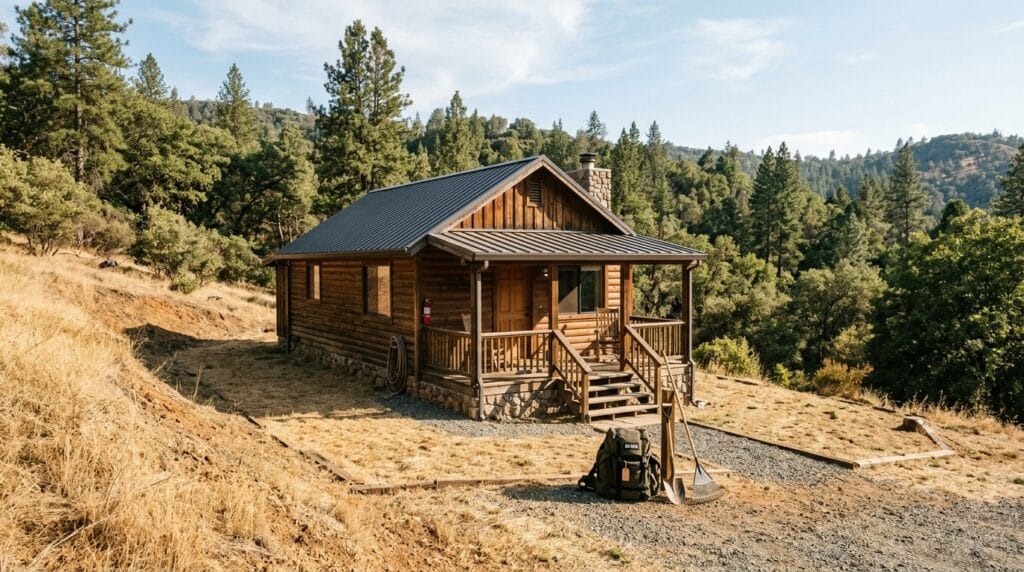

Calaveras County wildfire readiness 2026 should be part of every summer plan, whether you live in the county, own a cabin, visit for a weekend, or drive through the Sierra foothills. Wildfire risk affects more than homes. It can change road access, lake days, cave tours, winery weekends, camping plans, air quality, outdoor events, and scenic drives.
Calaveras County is known for giant sequoias, Gold Rush towns, caves, New Melones Lake, historic communities, and relaxed foothill travel. However, that same landscape also needs respect. Dry grass, forested roads, remote homes, narrow routes, seasonal visitors, and hot summer weather can make conditions change quickly.
This guide explains practical wildfire readiness for residents and travelers. It covers defensible space, smoke planning, emergency go bags, road checks, visitor behavior, and safer ways to enjoy Calaveras County during the 2026 summer season.
Why Calaveras County Wildfire Readiness 2026 Matters
Wildfire readiness matters because foothill conditions can shift fast. A calm morning can turn smoky by afternoon. A scenic route can face emergency traffic. A planned outdoor day can become uncomfortable when heat, wind, haze, or fire restrictions change the situation.
Residents and visitors both play a role. Homeowners can reduce fuel around structures. Travelers can check alerts before driving. Campers can follow fire restrictions. Road-trippers can avoid blocking emergency routes. Small choices help protect local communities and preserve the visitor experience.
CAL FIRE explains that defensible space is the buffer between a structure and surrounding wildland areas. This space can help slow or stop wildfire spread and give firefighters a safer area to defend property. For official guidance, readers can review CAL FIRE’s defensible space resource.
Defensible space starts before fire season feels urgent
Defensible space is not only a last-minute chore. It works best when property owners treat it as regular maintenance. Leaves, pine needles, dry grass, branches, firewood, old furniture, and debris can build up over time. If that material sits too close to a home, shed, deck, or fence, it can create avoidable risk.
In Calaveras County, property conditions can vary widely. A home near town may have different needs than a cabin near trees or a rural property near open grass. Still, the goal stays the same. Reduce fuel, improve access, and make it easier for firefighters to work safely if conditions worsen.
Visitors staying at cabins or vacation rentals should also pay attention. A short stay does not remove responsibility. If dry vegetation, blocked driveways, or unsafe outdoor burning concerns are visible, guests should follow posted rules and avoid careless behavior.
Zone 0 deserves extra care near structures
The first few feet around a structure deserve close attention because embers can collect near walls, vents, decks, stairs, and foundation edges. Dry leaves, bark mulch, firewood, cardboard, outdoor cushions, and clutter can become problems quickly.
A safer approach is simple. Keep the area closest to the home clean, visible, and easy to inspect. Also check gutters, under decks, porch corners, propane areas, and spaces beside sheds before the driest part of summer arrives.
Green waste should not become a new hazard
Yard cleanup only helps when the waste gets handled correctly. Piles of branches, weeds, pine needles, and leaves can become fuel if they sit too long near roads, fences, structures, or driveways.
Plan green waste removal early. Check local disposal rules, transfer station options, chipping programs, and community cleanup information. Waiting until the last weekend can create stress, especially when many property owners are doing the same work.
Smoke planning belongs in every summer itinerary
Wildfire smoke can affect Calaveras County even when the fire is not nearby. Wind can move smoke across foothill and mountain areas. One town may look clear while another feels hazy. A lake day, hike, cave tour, wine weekend, or fairground visit can feel very different when air quality drops.
Travelers should check air quality before leaving home and again during the trip. People with asthma, heart conditions, pregnancy, young children, or older relatives should be more cautious. If smoke increases, choose shorter outdoor stops, indoor breaks, or a different route.
This is where flexible planning matters. A cave tour, historic town walk, relaxed lunch, or scenic drive with shorter stops may work better than a long exposed hike on a smoky afternoon. Your guide to Calaveras County cave tours 2026 fits well as a practical backup option when heat or haze changes outdoor plans.
Do not rely on one source for conditions
Weather apps are useful, but they do not always tell the full local story. Before a Calaveras County trip, check official alerts, road conditions, air quality, fire restrictions, and local updates. Conditions can vary between Angels Camp, Murphys, Arnold, San Andreas, Valley Springs, Mountain Ranch, and New Melones Lake.
Travelers should also keep a backup route in mind. Rural roads can involve curves, limited shoulders, construction, emergency vehicles, or slow traffic. The site’s Calaveras County Road Safety 2026 guide is a strong internal link for safer foothill driving.
How Residents and Visitors Can Prepare for Safer Summer Travel
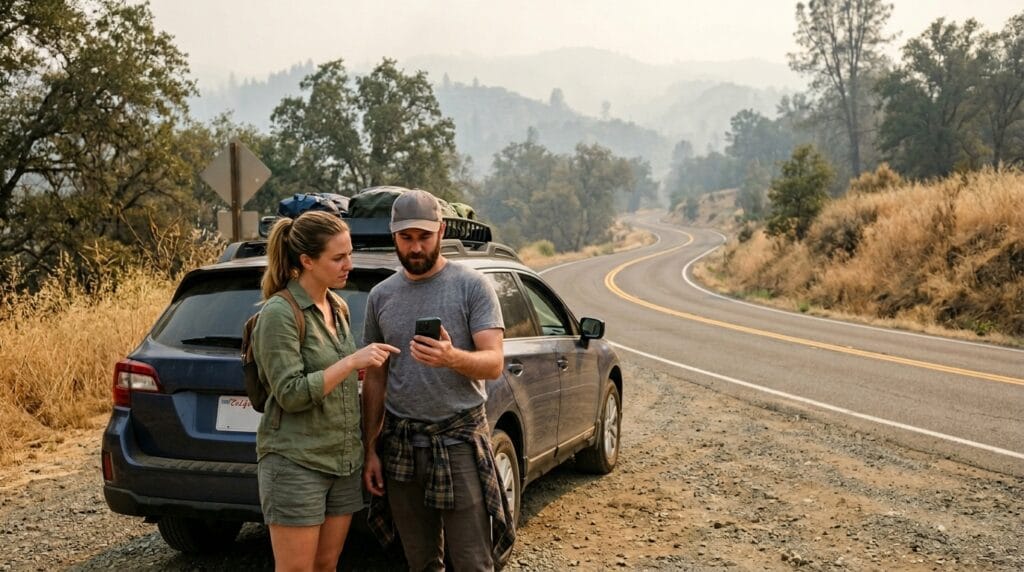
Good wildfire readiness is practical, not dramatic. It starts with simple habits. Pack the right supplies. Keep the car fueled or charged. Know where you are going. Watch alerts. Respect closures. Avoid risky fire behavior. Leave room for emergency access.
Travelers should not treat Calaveras County like a theme park with unlimited backup services. Many areas feel quiet and rural for a reason. Cell service can be weak. Roads can be narrow. Parking can be limited. Services may be farther apart than visitors expect.
That does not mean people should avoid visiting. It means they should travel with better awareness. A prepared visitor can still enjoy lakes, caves, sequoias, wineries, historic towns, and scenic drives without adding unnecessary pressure to local communities.
Go bags are useful for more than residents
A wildfire go bag is not only for full-time residents. Cabin owners, long-stay visitors, campers, road-trippers, and seasonal workers should also think about what they would need if plans changed quickly. Smoke, power outages, road closures, or evacuation notices can create stress when supplies are scattered.
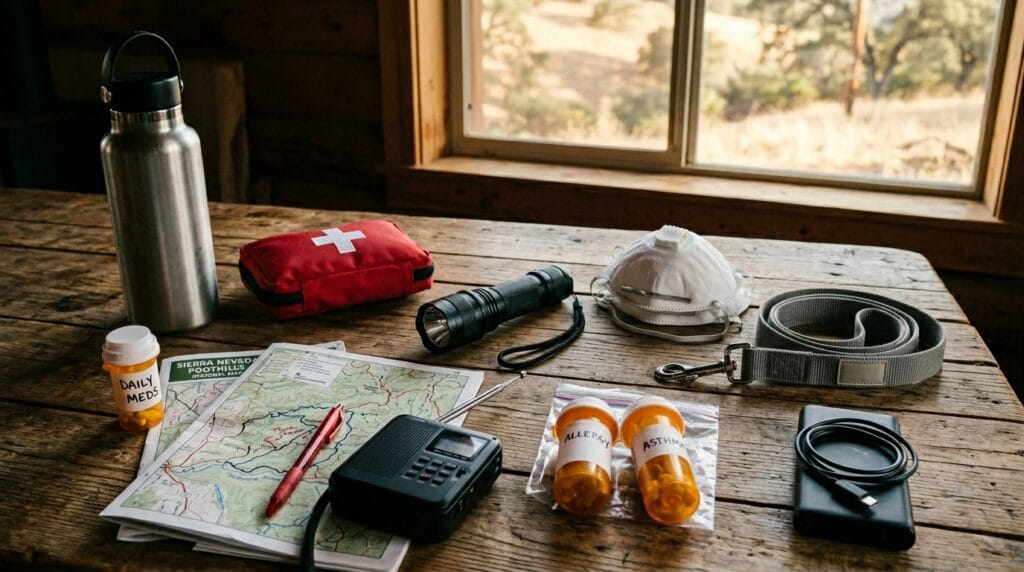
A practical go bag may include water, snacks, medications, copies of important documents, phone chargers, flashlight, batteries, first aid items, N95 masks, cash, pet supplies, extra glasses, clothing, and a printed map. Families should also agree on how they will communicate if service drops.
Pet owners need extra planning. Bring leashes, carriers, food, bowls, water, waste bags, medication, and vaccination records. If conditions worsen, pets can make evacuation or lodging decisions harder without preparation.
Lake, cave, and Big Trees trips need flexible timing
Popular summer stops deserve extra planning during fire season. New Melones Lake, Calaveras Big Trees, cave attractions, Murphys, and Angels Camp can all fit into a great trip. However, heat, smoke, weekend traffic, or road issues may change the best order of activities.
For water-focused plans, use the New Melones Lake 2026 Summer Guide. For forest and sequoia planning, connect readers to Calaveras Big Trees in Spring 2026. These internal links help readers build safer, more realistic itineraries.
Event travel also needs awareness. Large gatherings can add traffic, parking pressure, and longer drives. If readers are planning around Angels Camp events, the Calaveras County Fair 2026 Weekend Guide is a useful internal resource for family and road-trip planning.
Wildfire readiness also means responsible visitor behavior. Do not park in dry grass. Do not block gates, driveways, narrow roads, or emergency access points. Follow campfire and stove rules. Pack out trash. Avoid throwing cigarette butts. Report dangerous behavior when appropriate.
Small-town respect matters too. Local businesses, emergency crews, road workers, and residents deal with the effects of summer travel long after visitors leave. A responsible traveler checks conditions, listens to closures, and changes plans when safety requires it.
Calaveras County wildfire readiness 2026 should become part of the normal travel checklist. Check alerts. Watch smoke. Build defensible space. Pack a go bag. Plan green waste. Keep routes flexible. Respect fire restrictions. Protect pets and vulnerable family members.
These steps do not remove every risk, but they reduce preventable problems. They also help visitors enjoy the county with less stress. A safer trip gives more room for the things people actually came to experience: giant trees, cave tours, lake views, Gold Rush towns, wineries, scenic roads, and quiet foothill beauty.
For Calaveras County travelers and residents, the message is direct. Wildfire readiness is not fear. It is respect for the landscape. In 2026, the best way to enjoy Calaveras County is to prepare early, travel thoughtfully, and help keep the Sierra foothills safer for everyone.